
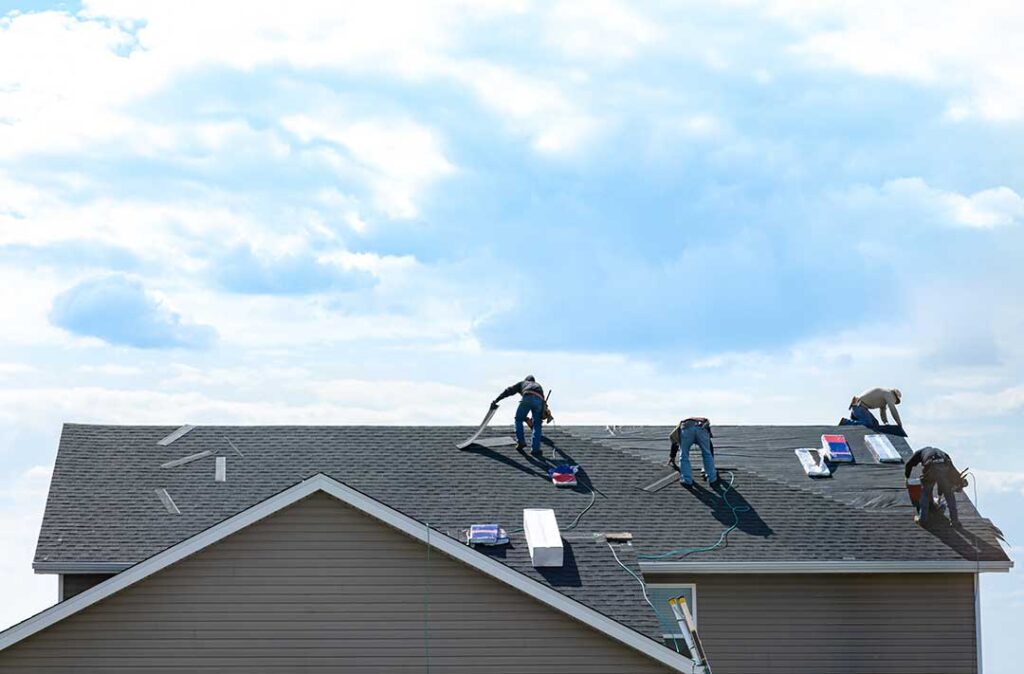
Roof fire ratings describe how well a complete roof assembly resists flame spread, fire penetration, and fire exposure. For homeowners in Walworth, NY, the most useful distinction is between Class A, Class B, and Class C roof assemblies—and understanding that the rating applies to more than the visible shingles.
What does a roof fire rating mean?
A roof fire rating is a tested measure of how a roof system performs under fire exposure. The test considers the interaction of the roof covering, underlayment, sheathing, and other components rather than judging one material by itself.
The three common classifications are:
- Class A: Effective against severe fire exposure
- Class B: Effective against moderate fire exposure
- Class C: Effective against light fire exposure
Roof assemblies that are required to carry a Class A, B, or C designation are generally tested under standards such as ASTM E108 or UL 790. The classification should be identified through an approved testing agency or product listing. ([codes.iccsafe.org](https://codes.iccsafe.org/content/IRC2024V1.0/chapter-9-roof-assemblies?utm_source=openai))
A higher rating does not mean a roof is fireproof. It means the tested assembly offers greater resistance under specific test conditions.
Is a Class A roof always the safest choice?
Class A is the highest of the standard roof-covering classifications and generally provides the strongest protection against external fire exposure. It is often associated with asphalt shingles, clay or concrete tile, slate, and certain metal roof systems—but the material name alone does not guarantee a Class A rating.
The underlying construction matters. A metal panel installed over one type of deck or underlayment may have a different tested classification from the same panel installed as part of another assembly. The manufacturer’s installation instructions and listing determine the approved combination.
For many homes, Class A is a practical choice because it provides a greater margin of protection from airborne embers or nearby exterior fire. However, the rating should be confirmed for the entire assembly rather than assumed from the appearance or composition of the roof covering.
What is the difference between a roof covering and a roof assembly?
A roof covering is the exposed outer layer, such as shingles, tiles, slate, or metal panels. A roof assembly includes the covering along with the materials beneath it.
Those supporting layers can include:
- Underlayment
- Roof sheathing
- Insulation
- Ventilation components
- Fasteners
- Fire-retardant materials
- Solar equipment, where applicable
This distinction explains why replacing shingles with a product that has a Class A label does not automatically make the whole roof Class A. The product must be installed over the materials and in the configuration used for the tested listing.
For that reason, homeowners reviewing an older roof should look for documentation describing the complete assembly, not just the label on a shingle bundle.
What does New York’s code require?
New York’s current Uniform Code is based on the 2024 International Code Council books with New York-specific amendments. The 2025 New York State Uniform Code became fully effective on December 31, 2025. Permit applications submitted on or after that date generally must follow the 2025 code provisions, subject to the applicable project and transition rules. ([dos.ny.gov](https://dos.ny.gov/notice-adoption?utm_source=openai))
The residential roof provisions address fire classification in Section R902. They require Class A, B, or C roof assemblies where the law requires one or where the roof edge is less than 3 feet from a lot line. The exact requirement can depend on the building type, roof construction, property configuration, and other code provisions. ([codes.iccsafe.org](https://codes.iccsafe.org/content/IRC2024V1.0/chapter-9-roof-assemblies?utm_source=openai))
New York’s Uniform Code establishes minimum statewide standards, while local governments may adopt more restrictive construction standards when legally authorized. A reroofing project in Walworth, NY may therefore involve both statewide code requirements and local permit or enforcement procedures. ([dos.ny.gov](https://dos.ny.gov/node/13566?utm_source=openai))
Does roof pitch affect the fire rating?
Yes, roof slope can affect how a roof assembly performs during testing and whether a particular product is approved for a specific installation. Roofing products are usually listed for a range of slopes, and some assemblies require special installation methods on low-slope or steep-slope roofs.
Slope can also influence how flames move across the roof surface. A product that is Class A on one approved roof configuration should not automatically be assumed to have the same classification when installed outside its listed slope range.
This is especially relevant during reroofing, when an older home may have additions, porches, dormers, or low-slope sections that use different roofing systems.
How do winter conditions affect fire-rated roofing?
Snow, ice, freeze-thaw cycles, and wind do not change the laboratory classification itself, but they can affect the condition of the roof over time. Damaged or displaced materials may no longer perform as intended.
In the local climate, residents should watch for:
- Shingles loosened by high winds
- Cracked or displaced ridge and hip materials
- Ice-dam-related damage near eaves
- Openings around chimneys, vents, and skylights
- Deteriorated underlayment after repeated moisture exposure
- Debris buildup in roof valleys
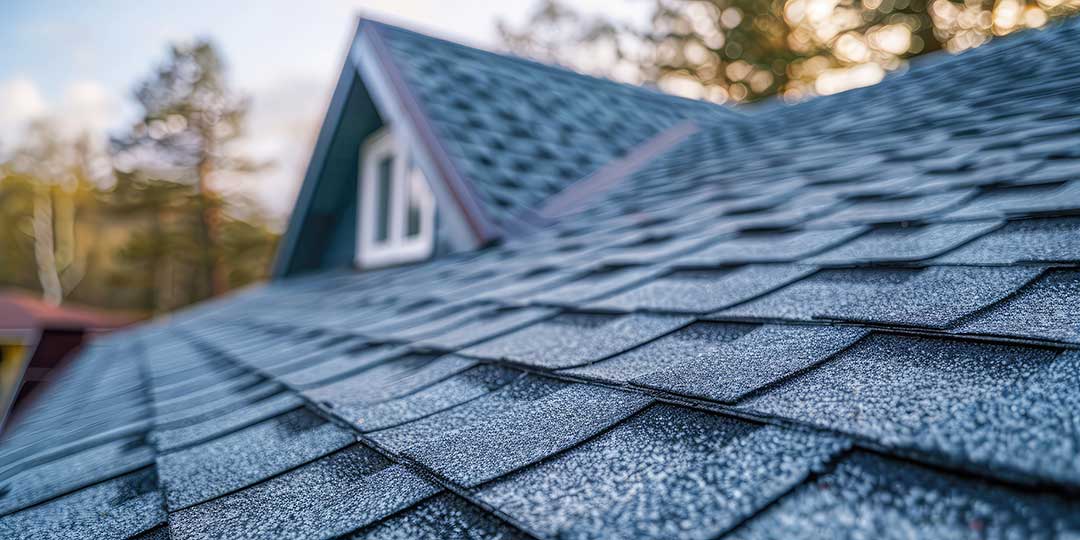
A fire rating does not replace routine maintenance. Water damage, missing materials, and unsealed penetrations can weaken the overall roof system even when the original product was properly classified.
Are wood shingles and shakes automatically unsafe?
No. Wood roofing is not automatically prohibited, but untreated wood products generally do not provide the same fire performance as listed fire-retardant-treated products. Code provisions may require specific treatment, labeling, testing, and installation methods for wood shakes and shingles.
The classification applies to the approved product and assembly—not simply to the fact that the roof is made of wood. A wood roof that lacks documentation should not be assumed to meet a particular fire class.
Older wood roofing can also be difficult to evaluate because labels, treatment records, or original installation information may no longer be available.
Does solar equipment have its own fire rating?
Yes. Rooftop photovoltaic panels and related systems are evaluated as part of a roof installation. The residential code addresses fire classification for rooftop-mounted photovoltaic systems and requires testing, listing, and identification under the applicable standard, including UL 2703 for systems installed above the roof covering. ([codes.iccsafe.org](https://codes.iccsafe.org/content/IRC2024V1.0/chapter-9-roof-assemblies?utm_source=openai))
Solar panels do not automatically improve a roof’s fire rating. Their mounting system, spacing, wiring, roof covering, and underlying assembly all matter. A roof replacement or solar installation may require coordination so that the final configuration remains consistent with the applicable listings and code requirements.
What should a homeowner check before reroofing?
Before approving a roof system, ask for clear information about:
- The roof assembly’s Class A, B, or C classification
- The exact products included in the tested assembly
- Approved underlayment and sheathing requirements
- Minimum and maximum roof slope
- Requirements for valleys, edges, vents, and penetrations
- Compatibility with existing roof layers
- Solar-panel or other rooftop-equipment requirements
- Permit and inspection requirements for the property
The most reliable information usually appears in product installation instructions, classification reports, technical data sheets, and code documents. A visible product label is useful, but it is not a substitute for confirming the complete installed assembly.
When a roof is near a property line, includes multiple additions, has unusual construction, or shows fire or structural damage, code interpretation and safety assessment may require qualified building-code or fire-safety guidance. The applicable requirement can depend on details that are not visible from the ground.
Understanding the rating helps residents separate three different questions: how a roof performs in a standardized fire test, whether the complete assembly is listed for the intended installation, and what the current New York code requires for a particular project.
