
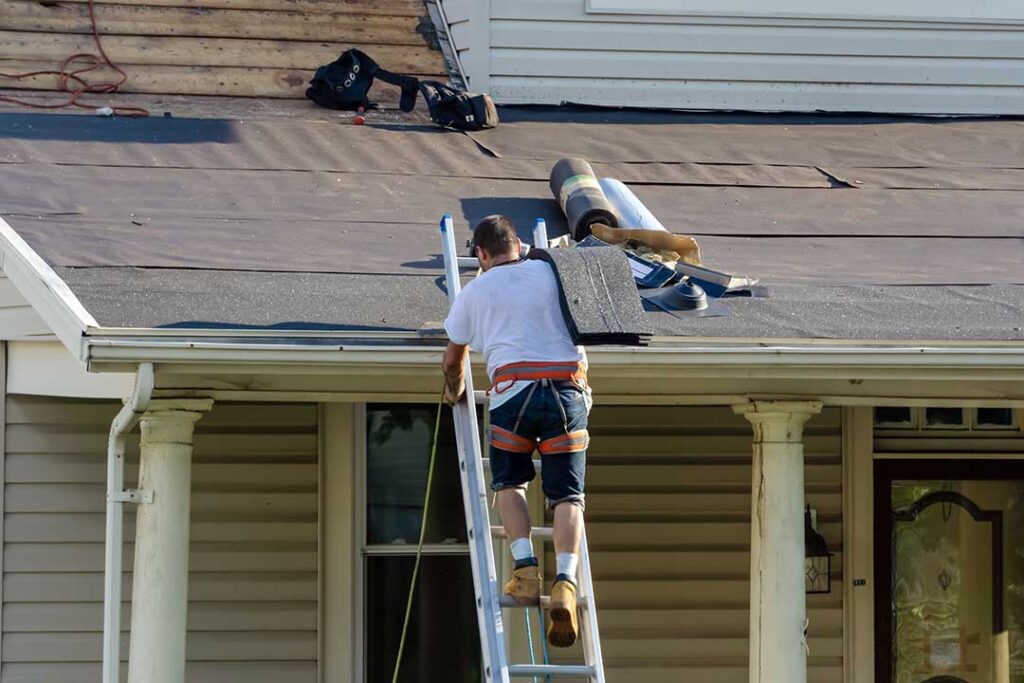
A new roof can reduce indoor allergens when it stops moisture, dust, insulation fibers, and outdoor debris from entering the building envelope. Roofing alone does not remove every indoor allergen, but a properly installed, well-ventilated roof can reduce conditions that allow mold and other irritants to accumulate.
For households in Walworth, NY, this issue is especially relevant because roofs must manage snow, rain, ice, wind, humidity, and repeated seasonal temperature changes. Those conditions can expose small weaknesses that affect indoor air quality over time.
How can an aging roof contribute to indoor allergens?
An aging roof may contribute to indoor allergens indirectly by allowing water or outdoor contaminants into attic and ceiling areas. Even a small leak can wet roof sheathing, insulation, rafters, drywall, or stored materials.
Moisture creates favorable conditions for mold growth. Mold can release spores into the air, and those spores may move from the attic into living spaces through:
- Recessed light openings
- Attic access panels
- Plumbing and electrical penetrations
- Gaps around ductwork
- Cracks in ceilings or wall assemblies
- Poorly sealed heating and cooling equipment
A roof does not need to show dramatic staining before moisture becomes a concern. Repeated dampness, condensation, or small leaks may affect insulation and wood components without producing an obvious ceiling mark.
Roof deterioration can also allow windblown dust, pollen, insects, and small amounts of organic debris to enter attic spaces. Those materials can collect in insulation or on attic surfaces and later become airborne when the attic is disturbed by air movement, maintenance, or changes in temperature.
Does a new roof remove mold?
No. Installing a new roof does not remove existing mold or contaminated materials. It addresses one possible source of moisture, but affected insulation, roof sheathing, drywall, or stored items may still need separate evaluation and cleaning or removal.
A new roof can help prevent future wetting when the underlying causes are corrected. Those causes may include damaged shingles, failed flashing, deteriorated underlayment, open roof penetrations, blocked drainage, or inadequate ventilation.
If mold is visible, if a persistent musty odor is present, or if anyone in the home develops symptoms around a particular area, the condition should be assessed before simply covering the roof from above. Roof replacement and indoor cleanup solve different parts of the problem.
How does proper roof installation support cleaner indoor air?
The roof is part of the home’s pressure and moisture boundary. A sound roofing system helps keep outdoor water outside and supports predictable airflow through the attic.
A complete roof system generally includes more than the visible shingles or other roof covering. Important components may include:
- Roof decking in sound condition
- Water-shedding underlayment
- Properly installed flashing
- Sealed roof penetrations
- Adequate intake and exhaust ventilation
- Correctly installed insulation near the attic floor or roofline
- Drip edges and drainage details that direct water away from vulnerable areas
If one component is missing or poorly installed, moisture may still enter even when the roof covering appears new. For example, a new surface installed over damaged decking can leave hidden problems in place. Likewise, new roofing cannot correct bathroom or kitchen exhaust that vents into an attic instead of outdoors.
Good installation also reduces pathways for outdoor particles to enter. Sealed flashing and penetrations can limit the movement of dust, pollen, insects, and moisture-laden air into attic spaces.
Why does attic ventilation matter for allergens?
Attic ventilation helps manage heat and moisture, but it must be designed as part of a balanced system. Ventilation does not “purify” indoor air, and more vents are not automatically better.
During cold weather, warm indoor air can move into a cold attic through gaps in the ceiling plane. If that air reaches cold roof components, condensation may form. In a climate with snowy winters and wide seasonal temperature swings, repeated condensation can dampen insulation and wood surfaces even when there is no obvious roof leak.
During warmer months, ventilation helps release heat and some moisture from the attic. However, ventilation openings should be protected and properly integrated with the roof system. Openings that allow rain, insects, or windblown debris to enter can create a different set of problems.
Air sealing at the attic floor is also important. A roof replacement may improve moisture protection, but indoor air quality can remain affected if air leaks around light fixtures, wiring, ductwork, or attic access points.
Can a new roof reduce pollen and dust indoors?
It can reduce some pathways, but it cannot prevent all pollen and dust from entering a home. These particles commonly arrive through open doors, windows, clothing, pets, forced-air systems, and normal household activity.
A new roof may help when the old roofing system has exposed openings, damaged vents, deteriorated flashing, or gaps around penetrations. It can also reduce the amount of debris accumulating in damp attic areas.
For better results, roof work should be considered alongside other measures:
- Keep attic insulation dry and undisturbed.
- Seal the attic access panel if it does not close tightly.
- Use properly fitted air filters in forced-air systems.
- Maintain bathroom and kitchen exhaust fans.
- Control indoor humidity, especially during heating and cooling transitions.
- Repair plumbing leaks and condensation problems.
- Clean visible dust from hard surfaces without disturbing contaminated insulation.
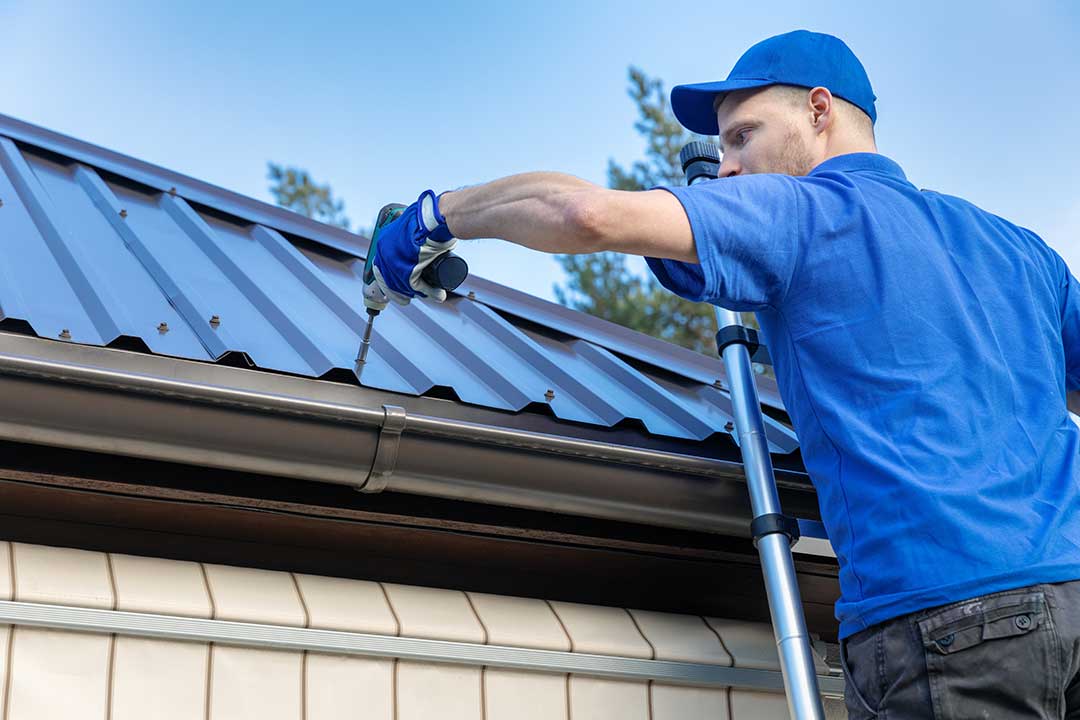
These steps address different sources of indoor particles. Roofing is most effective when it prevents moisture and outdoor contaminants from entering the upper part of the building.
What signs suggest that roofing problems may be affecting indoor air?
Several signs can justify closer attention to the roof and attic:
- Musty smells that become stronger after rain or snow
- Brown, yellow, or gray ceiling stains
- Damp attic insulation
- Rusted nails or roof fasteners
- Peeling paint near upper walls or ceilings
- Condensation on roof decking
- Visible mold on wood or insulation
- Unexplained increases in indoor dust
- Insects entering near roof vents or ceiling openings
- Water marks that appear after wind-driven rain
These signs do not prove that the roof is the only cause. Plumbing leaks, ice-related damage, poor bathroom ventilation, and indoor humidity can produce similar symptoms. Finding the moisture source matters more than treating the visible stain alone.
What should residents understand about roof replacement and allergies?
A roof replacement may improve indoor conditions when the previous roof allowed water, debris, or outside air to enter. The health benefit comes from reducing moisture and contamination pathways—not from the roofing material itself acting as an air cleaner.
The most reliable approach is to treat the roof as one part of the building envelope. Before installation, hidden wet materials and damaged decking should be identified. During installation, flashing, penetrations, drainage, and ventilation should be handled as carefully as the roof covering. Afterward, attic insulation, air sealing, exhaust ventilation, and indoor humidity should still be monitored.
For households affected by mold sensitivity or respiratory allergies, dusty or mold-damaged materials should not be disturbed casually. Cleanup may require protective measures and, in hazardous conditions, qualified assessment. A new roof can stop a source of moisture, but a healthier indoor environment depends on correcting both the exterior defect and any contamination that developed inside.
