
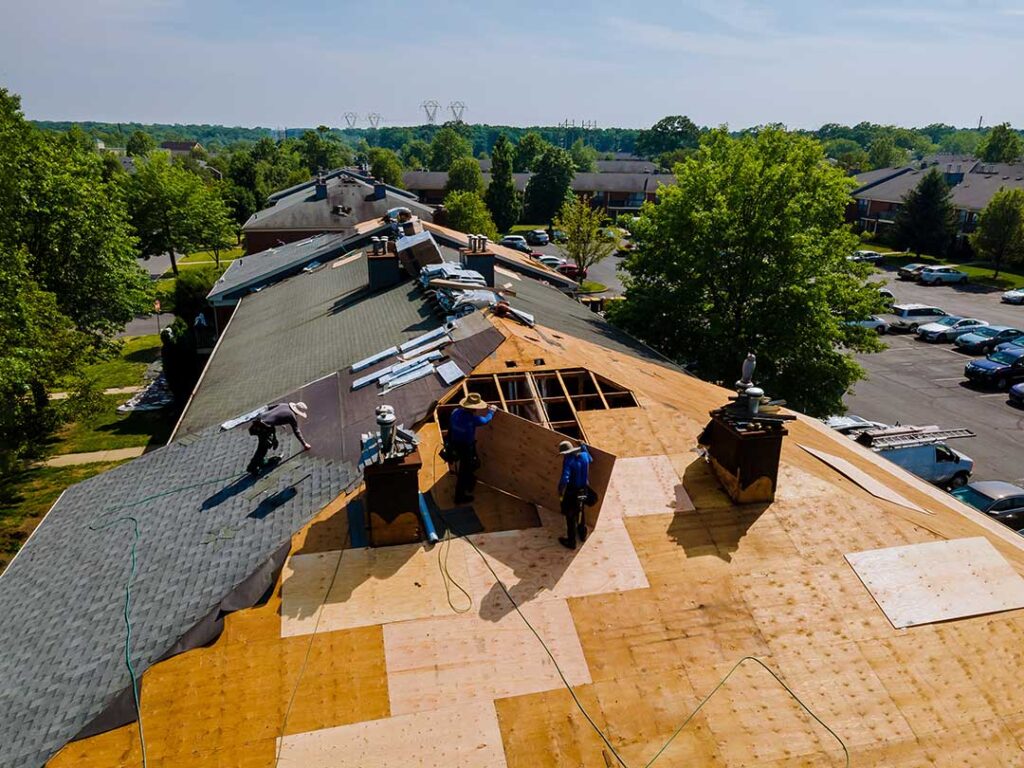
Roof eaves are the lower edges of a roof that extend beyond the exterior walls. Although they may look like a simple architectural detail, eaves help move rain and melting snow away from the building, protect siding and windows, and support proper attic ventilation.
For homes in Walworth, NY, roof eaves are especially useful because roofs must handle seasonal rain, wind, ice, snow, and repeated freeze-thaw cycles. Their condition can affect moisture control, energy performance, and the long-term durability of several parts of the house.
What exactly are roof eaves?
A roof eave is the portion of the roof that projects beyond the outside wall. The underside of this projection is often called the soffit. The outer edge may include a fascia board, gutters, and a drip edge.
These parts work together:
- Eave: The roof overhang extending past the wall.
- Soffit: The finished underside of the overhang.
- Fascia: The vertical board along the roof edge, commonly supporting gutter components.
- Drip edge: A metal strip that directs water into the gutter or away from the roof edge.
- Gutter: The channel that collects and carries roof runoff.
- Downspout: The vertical outlet that moves water toward the ground.
Not every roof has the same eave design. Some homes have wide overhangs, while others have compact roof edges or rooflines that meet walls with little projection. The design depends on the home’s age, architectural style, roof structure, and previous remodeling.
How do eaves protect the walls of a house?
The primary job of an eave is to move water away from the building envelope. Without enough overhang, rain can run directly down siding, collect around window trim, or soak the wall near the foundation.
A properly functioning eave helps reduce exposure to:
- Siding stains and premature deterioration
- Water entry around windows and doors
- Rot in fascia, soffits, and wall framing
- Soil erosion near the foundation
- Splashback onto lower walls
- Ice buildup along vulnerable roof edges
The amount of protection depends on the roof pitch, overhang depth, gutter placement, wind direction, and the condition of the drainage system. Strong winds can push rain beneath an overhang, so eaves are helpful but not a complete substitute for sound flashing and properly sealed wall openings.
Why are eaves important for gutters?
Gutters are commonly installed along the eaves because that is where roof runoff naturally reaches the edge. The eave provides a stable location for the gutter, while the drip edge helps guide water into the channel.
A gutter system can perform poorly even when the gutter itself appears intact. Common causes include:
- Gutters installed too low or too far from the roof edge
- Missing or incorrectly placed drip edge
- Sagging fascia boards
- Clogged channels
- Downspouts that discharge too close to the foundation
- Roof valleys that release concentrated streams of water
- Ice or snow pulling against the gutter during winter
In a region with regular winter weather, the connection between the roof edge and gutter deserves attention. Snow sliding from a steep roof, expanding ice, or heavy frozen buildup can place considerable strain on fascia boards and gutter fasteners.
Do eaves help ventilate the attic?
Yes. Many homes use soffit vents within the eaves as the intake portion of an attic ventilation system. These vents allow outdoor air to enter beneath the roof edge. Warmer air can then rise and exit through higher roof or attic vents.
A balanced system helps manage heat and moisture. During cold weather, attic moisture can condense on roof sheathing, insulation, nails, and framing. During warm weather, excessive attic heat can contribute to higher indoor temperatures and may increase stress on roofing materials.
Soffit vents must remain open to work properly. Problems occur when insulation is pushed into the eaves, screens become blocked with debris, or paint covers vent openings. Baffles or air chutes may be used to keep insulation from obstructing airflow at the roof edge.
Ventilation should not be confused with air leakage. Warm, moist household air escaping through ceiling openings is a source of attic moisture. Soffit vents provide outdoor intake air, but they do not correct unsealed bathroom fans, attic hatches, recessed lighting, plumbing penetrations, or other air leaks.
What problems commonly develop around roof eaves?
Damage at the eaves often begins with water, poor airflow, physical impact, or long-term exposure. Small defects can become more serious because the eave includes several connected materials.
Warning signs include:
- Peeling paint or soft wood on fascia boards
- Brown staining on soffits
- Sagging gutters
- Rusted or missing drip-edge metal
- Water marks beneath the roof edge
- Mold-like discoloration caused by persistent dampness
- Insect activity around deteriorated wood
- Birds or animals entering through damaged soffits
- Visible gaps between the roof edge and gutter
- Icicles associated with repeated ice buildup
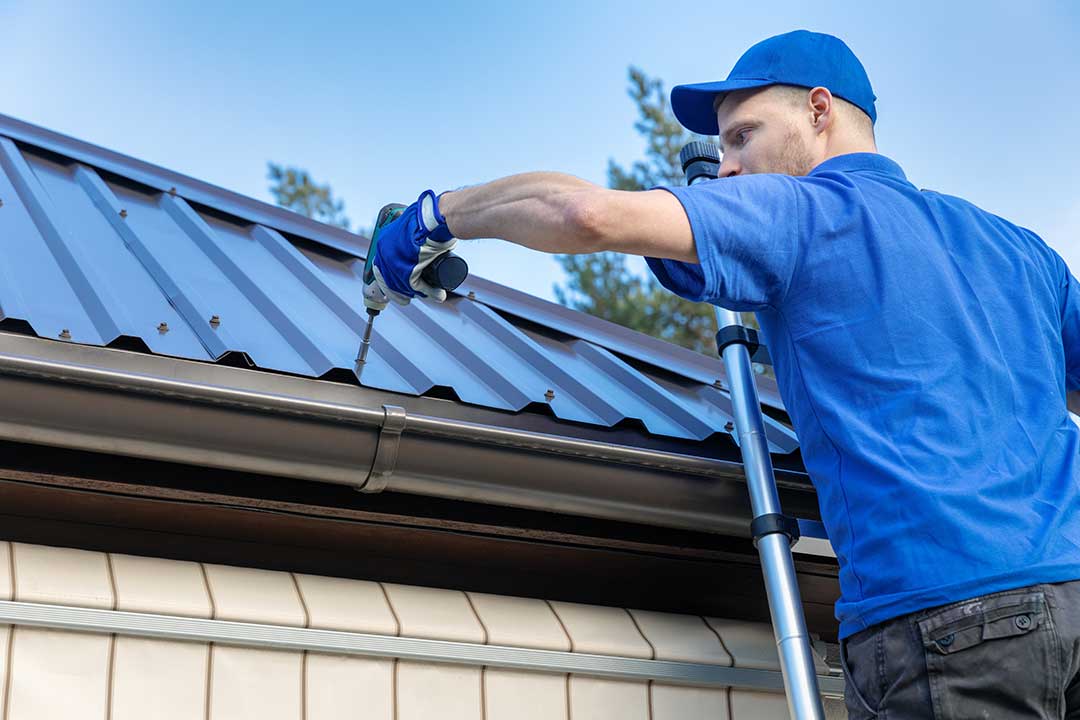
A soft fascia board may indicate more than surface damage. Water can enter behind the gutter or at the roof edge and affect sheathing, rafters, or wall framing. Likewise, a damaged soffit may expose the attic to wind-driven rain, pests, and cold air.
How should homeowners inspect eaves safely?
A ground-level inspection can identify many problems without climbing onto the roof. Look along the roof perimeter after rain or during daylight. Binoculars can help reveal loose metal, open joints, blocked vents, or sagging sections.
Useful observations include:
- Whether water spills behind the gutter during rainfall
- Whether gutters remain attached and properly sloped
- Whether soffit vents appear open
- Whether fascia boards look straight and solid
- Whether downspouts direct water away from the foundation
- Whether winter damage becomes visible after snow and ice melt
Climbing onto a roof, ladder work near ice, or inspecting areas with unstable wood creates avoidable hazards. Roof edges are particularly risky because wet surfaces, hidden rot, and slippery debris may not be visible from below. Conditions involving exposed wiring, structural deterioration, or significant height should be handled with appropriate safety precautions.
Can eaves affect heating and cooling costs?
They can, but the effect is usually indirect. Eaves with functioning soffit ventilation can support a healthier attic environment, while roof overhangs can shade upper walls and windows during part of the year.
Energy performance also depends on insulation levels, air sealing, window design, roof color, attic ventilation balance, and the home’s heating and cooling equipment. Installing more vents is not automatically an improvement. Excessive or poorly balanced ventilation can allow wind-driven snow or rain into the attic, while adding exhaust vents without enough intake ventilation may reduce system effectiveness.
The goal is a coordinated roof assembly: controlled airflow, adequate insulation, sealed ceiling penetrations, sound flashing, and reliable drainage.
What should be considered during repairs or remodeling?
Changes to siding, gutters, insulation, roofing, or exterior trim can affect the eaves. For example, replacing siding may alter how the wall meets the soffit. Adding insulation may block soffit vents. Installing new gutters may require attention to fascia strength and drip-edge placement.
Older homes may also contain layered repairs, enclosed soffits, or roof edges that were modified during additions. A repair that addresses only the visible surface may leave concealed moisture or ventilation problems unresolved.
Before altering the roof edge, it is useful to understand how water moves from the roof surface into the gutter and how air moves from the soffit toward the upper attic. The eave is not an isolated trim detail; it is part of the home’s drainage, ventilation, and weather-resistance system.
Why do eaves matter after winter?
The period after snow and ice melt is often revealing. Water can expose loose gutters, cracked sealants, damaged fascia, blocked downspouts, and areas where ice entered behind the roof edge.
A careful spring check can identify problems before repeated rainfall causes more damage. However, some issues—especially hidden rot, structural weakness, or persistent attic moisture—cannot be confirmed from the ground alone. Those conditions may require a more detailed inspection for safety and accuracy.
For local households, maintaining the eaves means maintaining more than appearance. A sound roof edge helps control rainwater, protect exterior walls, support attic airflow, and reduce the chances that small seasonal problems will become concealed building damage.
