
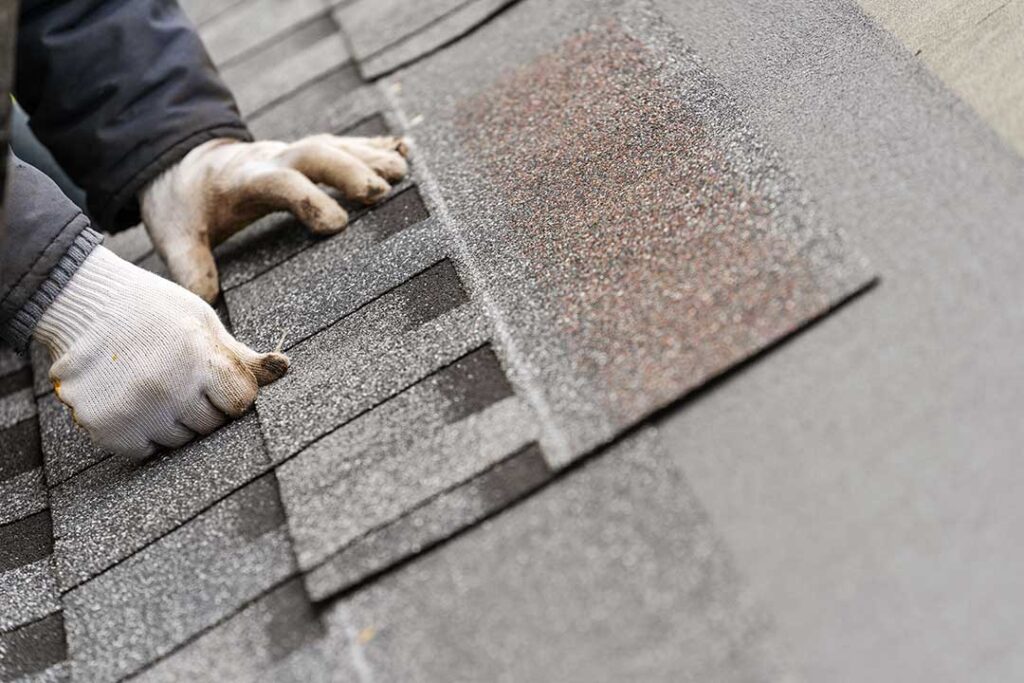
Can Roof Repairs Wait During a Crisis?
Roof issues such as leaks, missing shingles, or water intrusion can quickly lead to more serious problems for homes in Walworth, NY. During major disruptions like COVID-19 or widespread emergencies, many residents wonder if roof repairs can be postponed. The answer depends on the severity: minor cosmetic concerns may wait, but active leaks or damage that threatens indoor safety, insulation, or structural stability should not be delayed.
For urgent repairs, acting promptly helps prevent issues like mold growth, wood rot, or even electrical hazards. In less urgent scenarios, temporary patches—carefully installed—can protect the home until conditions are safer for a full repair.
How Can Residents Assess Roof Damage Safely?
Direct roof inspections can be risky, especially with movement restrictions or the need for physical distancing. Homeowners can safely do initial assessments from the ground or inside attics:
- Use binoculars to check for visible damage such as missing or curled shingles, debris, or discoloration.
- Inspect ceilings and attic spaces for signs of water stains, drips, or musty smells.
- After storms, watch for piles of granules near downspouts—a sign of shingle wear.
Avoid climbing ladders or accessing a steep roof unless absolutely necessary. Local weather—icy winters and spring storms in Walworth—can make roofs slippery and hazardous.
What Health and Safety Steps Should Be Taken for Roof Work During an Outbreak?
During health crises like COVID-19, minimizing in-person contact is recommended:
- If contractors are necessary, request remote consultations using photos or video of the damage.
- Maintain at least six feet of distance from any visitors and keep conversations outdoors.
- Ensure everyone on site wears masks if physical distancing cannot be maintained.
- Consider paying electronically to reduce person-to-person contact.
- Avoid entering the attic or upper floors while repairs are underway if external workers are present.
These steps help limit the risk of illness while allowing for urgent repairs.
Are There Local Regulations Affecting Roof Repairs During Emergencies?
During pandemic lockdowns or local emergencies, authorities sometimes issued guidelines restricting non-essential work. In the Walworth area, roof repairs that protect the structural safety or health of the household typically qualified as essential. Always check with the Town or County government websites for the latest advisories, especially if an emergency order or travel restriction is in place.
Seasonal storms or public health emergencies may also affect how quickly supplies can be obtained for repairs, so plan ahead where possible and expect potential delays.
What Temporary Measures Can Households Use Until Full Repairs Are Safe?
If hiring outside help presents too much risk or delay, residents can take temporary action to prevent water intrusion:
- Use waterproof tarps and secure them over damaged areas with nails or boards.
- Seal small leaks inside with duct tape or caulk as a short-term measure.
- Move valuables and electronics out of areas prone to leaks.
- Place buckets or drop cloths under drips to protect floors and belongings.
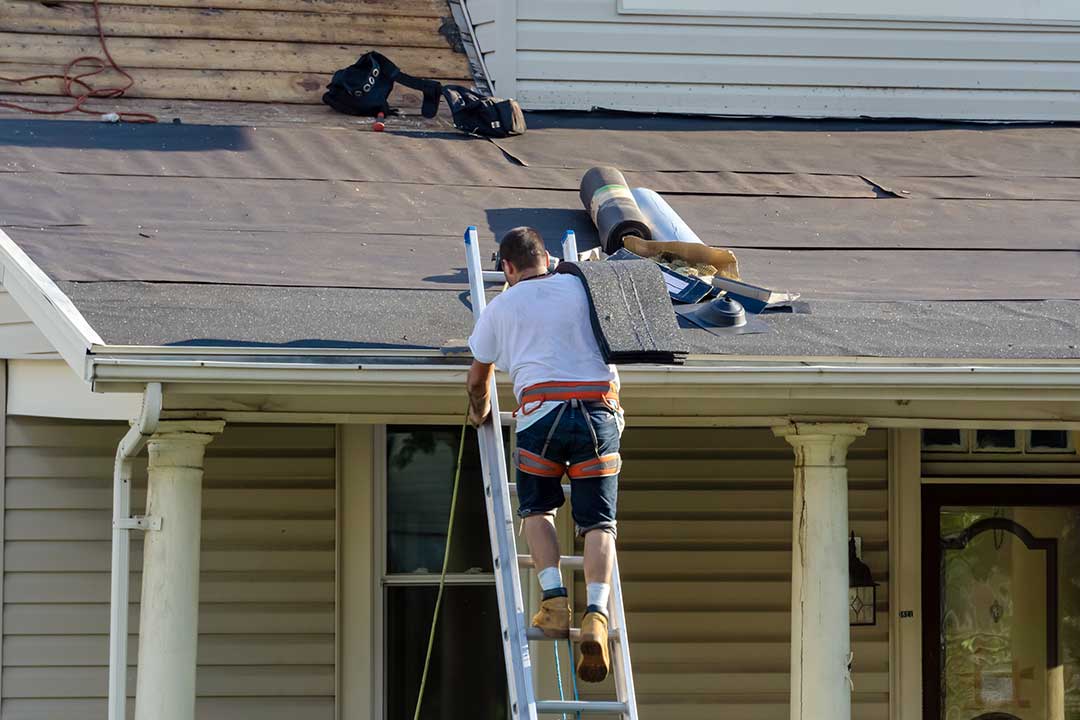
Remember, these are short-term fixes. After conditions stabilize, arrange for a complete inspection and repair to ensure your roof is sound.
Are There Hidden Risks in DIY Roof Repairs During Crises?
It can be tempting to attempt full repairs independently, especially to avoid exposure. However, DIY work on a roof brings notable risks:
- Steep or icy roofs, common in Walworth, increase fall danger.
- Walking on unstable roof surfaces can cause further damage or injury.
- Improper fixes might void home insurance claims or result in poor long-term performance.
If a repair involves significant heights, electrical hazards, or structural instability, it is safest to wait for professional assistance once safe. Simple patches may be reasonable if done from ladders or the ground, with a focus on minimizing time spent on the roof.
What Should Residents Expect After Repairs Are Complete?
After an emergency or outbreak period, area households should:
- Re-inspect repaired areas for missed leaks or signs of deterioration.
- Document all temporary fixes, including photos and receipts, for future insurance claims.
- Review regular maintenance options and schedule comprehensive roof checks when it is safe to do so.
Walworth’s varied weather means small problems can develop into larger issues if left unchecked. Early identification and follow-up remain vital, even after an initial crisis has passed.
