
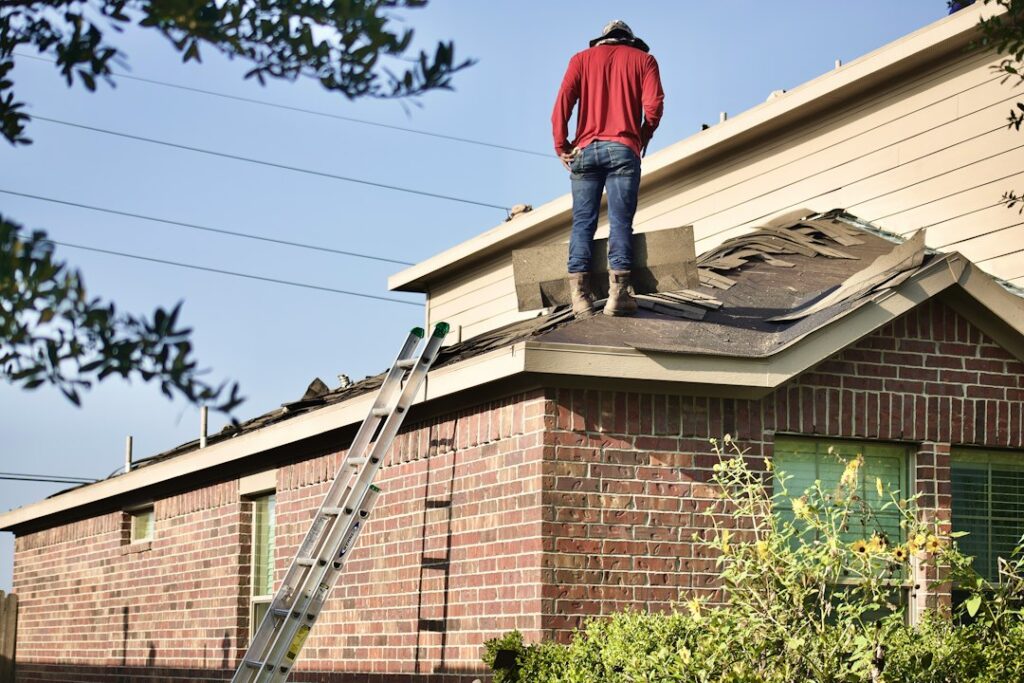
Why regular roof maintenance matters
Regular roof maintenance helps prevent minor defects from becoming leaks, structural damage, or costly interior repairs. For households in Walworth, NY, routine attention is especially useful because roofs must handle snow, freeze-thaw cycles, wind, rain, falling branches, and changing temperatures throughout the year.
A roof rarely fails all at once. More often, problems develop gradually:
- A flashing seam begins to loosen.
- A shingle loses its protective surface.
- Water collects near a clogged drainage point.
- Ice and snow expose a weak area.
- Moisture enters around a vent, chimney, or roof edge.
Maintenance identifies these issues while they are still easier to manage.
What does roof maintenance include?
Roof maintenance is the process of inspecting, cleaning, monitoring, and correcting conditions that can shorten a roof’s service life. It is different from replacing a roof and does not necessarily involve major work.
A basic maintenance review may include:
- Looking for cracked, curled, loose, or missing shingles
- Checking metal flashing around roof penetrations and edges
- Clearing leaves, twigs, and other debris from roof surfaces and drainage areas
- Examining gutters and downspouts for blockages or poor drainage
- Looking for moss, algae, or persistent damp areas
- Checking attic spaces for damp insulation, staining, or daylight
- Inspecting soffits, fascia, and roof edges for deterioration
- Reviewing areas around chimneys, skylights, vents, and exhaust pipes
Some conditions can be observed from the ground. Others require climbing, walking on a sloped surface, or entering an attic. Roof access can be dangerous, particularly when surfaces are wet, icy, steep, or covered by snow.
How does maintenance help prevent leaks?
Maintenance reduces the chance that water will find a path into the roof assembly. Shingles shed most rainfall, but the system also depends on underlayment, flashing, roof penetrations, ventilation, and drainage.
A small opening may allow water to travel beneath the visible roof surface before appearing indoors. That means the location of an interior stain is not always directly below the original problem. Early inspection can reveal damaged flashing or exposed fasteners before moisture reaches ceilings, wall cavities, or insulation.
The most vulnerable areas often include:
- Valleys where two roof slopes meet
- Edges around chimneys and skylights
- Plumbing and exhaust vent openings
- Eaves and rake edges
- Areas beneath overhanging trees
- Low-slope sections where water drains slowly
A roof does not have to look severely damaged for water intrusion to begin.
Why are seasonal inspections useful in this area?
Seasonal changes can expose different types of roof problems. A spring inspection may reveal damage caused by winter snow, ice, wind, or repeated freezing and thawing. A late-summer or early-fall review can identify conditions that may become more serious during the next cold season.
After winter, look for:
- Missing or displaced shingles
- Bent or loose metal flashing
- Damaged gutters and downspouts
- Granules collected near downspout outlets
- Water stains in attic areas
- Ice-related damage along roof edges
Before winter, attention should turn to drainage, loose materials, roof penetrations, and attic ventilation. Leaves and small branches should not be allowed to remain in places where they can trap moisture or block water flow.
Snow itself is not automatically a sign of roof danger. However, unusually heavy accumulation, uneven snow patterns, repeated ice buildup, or visible roof deflection may indicate a condition that requires prompt evaluation. Removing snow from a roof can also be hazardous and should not be attempted casually.
Can maintenance extend a roof’s useful life?
Routine maintenance can extend the useful life of a roof by reducing moisture exposure and preventing small defects from spreading. It cannot stop normal aging, and it cannot restore materials that have reached the end of their service life. Still, a roof that is kept dry, properly drained, and free of neglected damage generally has a better chance of performing as intended.
Maintenance also helps distinguish between isolated repairs and broader deterioration. For example, replacing one damaged flashing component may be reasonable when surrounding materials remain sound. If many shingles are brittle, granule loss is widespread, and several areas show leakage, the issue may involve overall age rather than a single defect.

This distinction helps homeowners make decisions based on observed conditions instead of waiting for a sudden failure.
What are the financial benefits?
The main financial benefit of maintenance is reducing the chance of secondary damage. A roof defect can affect more than the roof covering itself. Water may damage:
- Ceiling materials and painted surfaces
- Attic insulation
- Wood framing
- Electrical components
- Wall finishes
- Flooring and personal belongings
- Indoor air quality if damp materials remain unresolved
Preventive work is not always inexpensive, but it is usually more predictable than emergency repairs after a major leak. Maintenance records can also help document when problems were noticed, what conditions were present, and how the roof has changed over time.
Homeowners should be cautious about applying sealants or coatings as a universal solution. Some products may conceal a problem without correcting its cause, and improper application can interfere with drainage or future repairs.
What can residents safely check themselves?
A homeowner can often perform a visual ground-level review and inspect accessible attic areas without climbing onto the roof. Binoculars may help identify missing shingles, lifted edges, or damaged flashing from a safe position.
Useful observations include:
- Water pooling near the foundation after rainfall
- Gutters pulling away from the roofline
- Dark stains on exterior roof surfaces
- Shingle pieces or metal fragments in the yard
- Damp smells or staining in the attic
- Daylight visible through roof boards
- Drips or stains that appear after snowmelt or wind-driven rain
Do not walk on a roof that is wet, icy, snow-covered, unusually steep, or visibly damaged. Ladders, roof edges, and electrical hazards create serious risks. Professional evaluation is appropriate when the suspected problem involves unsafe access, structural movement, active water entry, or damage near electrical equipment.
Does attic ventilation affect roof maintenance?
Yes. Attic ventilation and insulation influence roof performance by helping manage heat and moisture. Warm, moist air from the living space can enter the attic through gaps around light fixtures, plumbing penetrations, attic hatches, and ductwork. If that moisture condenses on cold roof surfaces, it can contribute to damp insulation, mold growth, wood deterioration, and winter ice buildup.
Ventilation is not simply a matter of adding more openings. The system must work with the attic’s design, insulation placement, air sealing, and roof shape. Blocked vents, compressed insulation, or poorly directed bathroom exhaust can undermine the intended airflow.
A roof inspection that ignores the attic may miss conditions affecting the roof from underneath.
How often should a roof be checked?
A practical schedule is a visual review in spring and fall, plus additional checks after severe wind, unusually heavy snow, falling branches, or visible water intrusion. Gutters and drainage paths may need attention more frequently during leaf fall or periods of heavy rainfall.
Regular maintenance does not mean climbing onto the roof twice a year. It means observing the roof system, keeping drainage functional, recording changes, and addressing warning signs before they become widespread damage.
For area households, the most useful habit is to connect roof checks with seasonal home maintenance rather than waiting for a ceiling stain. A few minutes of careful observation after major weather can reveal whether the roof, attic, and drainage system are continuing to work together properly.
