
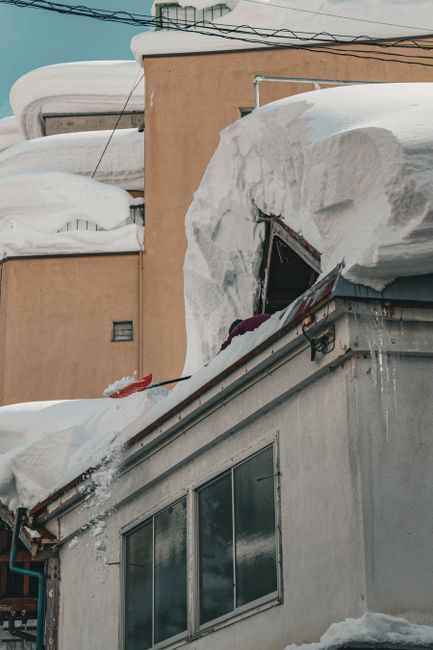
Roofing systems in Walworth, NY must handle more than a single type of weather. Snow, freezing rain, strong wind, summer heat, heavy rain, and repeated temperature changes can all affect how a roof performs. Damage often develops gradually, so understanding the connection between weather and roofing materials can help residents recognize problems before they spread into ceilings, walls, insulation, or framing.
How does winter weather affect a roof?
Winter affects a roof through the combined weight of snow, melting and refreezing water, ice formation, and cold temperatures. A roof that appears intact from the ground may still be experiencing stress at its edges, valleys, flashing, and support areas.
Snow is not equally heavy in all conditions. Fresh, dry snow weighs less than wet snow, while compacted snow becomes denser as it settles. Several storms close together can create a heavier overall load than one light snowfall. Drifting may also place extra weight against roof sections near taller walls, dormers, valleys, or changes in roof height.
Most residential roofs are designed for expected snow loads under applicable building requirements, but design capacity does not mean a roof is immune to damage. Warning signs after major snowfall can include:
- New cracks or movement in ceilings and walls
- Interior doors that suddenly stick
- Sagging roof lines visible from the ground
- Unusual creaking or popping sounds
- Water stains that appear during or after a thaw
People should not climb onto a snow-covered roof to inspect it. The combination of steep surfaces, ice, hidden weak areas, and falling snow creates a serious fall hazard. If structural movement is suspected, the safest response is to keep people away from the affected area and obtain a qualified structural evaluation.
Why do ice dams form?
Ice dams form when heat escapes into the attic and warms the underside of the roof. Snow melts on the warmer upper roof surface, flows toward colder eaves, and refreezes near the roof edge. As ice builds, it can block later meltwater from draining normally.
The resulting water may work beneath shingles, enter around flashing, or soak insulation and roof decking. Damage can remain hidden until stains appear around exterior walls, attic areas, or upper-floor ceilings.
Ice dams are usually connected to a combination of conditions rather than snowfall alone. Common contributing factors include:
- Inadequate attic insulation
- Air leakage around ceiling fixtures, chimneys, or attic hatches
- Blocked or poorly arranged soffit ventilation
- Uneven roof temperatures caused by poor airflow
- Extended periods of snow followed by mild daytime temperatures
Gutters do not cause ice dams by themselves, and cleaning gutters does not guarantee that ice dams will not form. However, clogged gutters can restrict drainage and make ice-related water problems worse. Long-term prevention usually focuses on controlling heat loss and improving attic air movement rather than repeatedly removing ice from the roof surface.
What damage can wind cause?
Wind can loosen shingles, lift flashing, break branches, and drive rain into areas that normally remain protected. The risk is greater when shingles have become brittle, edges are poorly sealed, or previous storms have damaged the roof covering.
Wind does not always remove an entire section of roofing. More commonly, it lifts a corner, breaks a seal, or creates a small opening that allows later rain to enter. Missing granules, exposed fasteners, curled tabs, lifted shingles, and loose metal edging are signs worth taking seriously.
Trees also deserve attention. Branches that rub against a roof can wear away protective granules and scratch the surface. A falling branch may create obvious damage, but smaller impacts can cause cracks that only become visible during the next heavy rain.
After strong wind, a ground-level inspection with binoculars can reveal some problems without creating a fall risk. Roof areas should not be walked on merely to search for damage, especially when surfaces are wet or debris-covered.
How do heavy rain and thunderstorms affect roofing?
Rain tests the entire drainage system, not just the shingles. Water must move across the roof, through valleys, around penetrations, into gutters, and away from the foundation. A small weakness in any of these areas can lead to leakage.
Roof leaks often appear far from the location where water entered. Water may travel along roof decking, rafters, insulation, or drywall before becoming visible. A ceiling stain therefore does not always identify the exact source.
Common trouble areas include:
- Valleys where two roof slopes meet
- Flashing around chimneys, vents, skylights, and wall intersections
- Damaged or missing shingles
- Clogged gutters and downspouts
- Low-slope sections that drain slowly
- Roof penetrations with aging seals
A stain that dries after a storm should not automatically be dismissed. Repeated wetting can damage insulation, encourage mold growth, weaken wood, and cause paint or drywall to fail. If a leak is active, placing a container under the drip and moving valuables away from the area can reduce immediate damage while the source is evaluated safely.
Does summer heat damage a roof?
Summer weather affects roofing through heat, ultraviolet exposure, humidity, and rapid expansion and contraction. Dark roof surfaces can become much hotter than the surrounding air, particularly on sunny days with little wind.
Repeated heating and cooling can gradually cause some materials to become brittle, curl, crack, or lose their protective surface. Sealants and flashing materials may also age faster when exposed to sunlight and wide temperature swings.
Attic heat is a separate concern. An attic that becomes excessively hot can raise indoor cooling demand and contribute to uneven roof temperatures. Proper insulation and ventilation help reduce heat transfer, but ventilation should be arranged as a balanced system. Adding an exhaust vent without enough intake airflow may not solve the underlying problem.
Summer storms can also expose weaknesses created during winter. For example, a small lifted shingle may remain unnoticed until wind-driven rain enters beneath it several months later.
Why are freeze-thaw cycles hard on roofing?
Freeze-thaw weather is especially challenging because water expands when it freezes. Moisture can enter small cracks in masonry, flashing joints, roof cement, or deteriorated materials. When that water freezes, it can widen the opening. Repeated cycles gradually make minor defects more serious.
These cycles also affect gutters, downspouts, exterior walls, and roof edges. Ice may pull on gutter fasteners, while blocked drainage sends meltwater toward areas that were not designed to receive constant moisture.
A roof does not have to experience an extreme storm to develop damage. Many problems result from ordinary weather repeated over several seasons.
Which roof areas deserve the closest attention?
Certain locations are more weather-sensitive than broad, uninterrupted roof surfaces. During routine visual checks, pay particular attention to:
- Roof valleys
- Eaves and drip edges
- Flashing around penetrations
- Areas beneath overhanging trees
- Roof sections below upper walls or dormers
- Gutters, downspouts, and discharge points
- Attic insulation and sheathing near known leak areas
Vent pipes, chimneys, skylights, and other penetrations create openings that require careful flashing. These areas may leak even when the surrounding shingles appear to be in good condition.
How often should a roof be checked?
A practical schedule is to look over the roof and drainage system at least twice a year, commonly in spring and fall, and again after unusually strong wind, heavy snow, hail, or prolonged rain. The inspection can often begin from the ground and from accessible attic areas.
Look for missing or displaced shingles, exposed underlayment, loose metal, damp insulation, daylight through the roof deck, rusted flashing, sagging gutters, and water stains. Seasonal checks are most useful when they are compared over time. A small change from one inspection to the next may reveal a developing issue before it becomes an emergency.
Weather cannot be controlled, but its effects can be managed through sound drainage, adequate attic insulation and ventilation, properly installed flashing, timely repairs, and safe observation after severe conditions.
