
Why Do Local Building Codes Matter for Your Roof?
Building codes exist to protect homeowners and the overall safety of a community, especially in a place like Walworth, NY where weather and seasonal changes can be unpredictable. These codes are sets of rules and requirements, developed and enforced by the local municipality, that guide how roofs should be constructed, repaired, or replaced. Following these guidelines helps ensure that roofs are safe, weather-resistant, and durable for area households.
What Specific Roof Requirements Do Local Codes Address?
Local building codes in Walworth generally cover several aspects of roof construction and repair. These may include:
- Minimum slope for water drainage to prevent ponding
- Types of acceptable roofing materials based on climate exposure
- Requirements for underlayment and ice barrier layers due to freeze-thaw cycles typical of upstate New York
- Nail and fastener specifications to withstand wind loads
- Proper attic ventilation standards to avoid ice dams and moisture buildup
Each of these requirements helps safeguard homes against common regional issues, such as ice damming in winter or water intrusion during heavy summer storms. Ignoring these standards can lead to problems like leaks, structural damage, or even code violations if repairs or replacements are made incorrectly.
How Are Codes in Walworth, NY Enforced?
Enforcement is typically managed by the city’s code enforcement office. Any significant roofing work, especially complete replacements or structural modifications, usually requires a permit. The process involves:
1. Submitting an application, including detailed plans or specifications
2. Review by city officials to ensure the project meets all local requirements
3. Inspections at various stages—sometimes before, during, and after the job—to confirm compliance
Skipping the permit process or failing inspections can result in fines, a stop-work order, or even having to redo non-compliant work at additional cost.
What Might Happen if a Roof Isn’t Code-Compliant?
Failing to meet code can have several practical and legal consequences for local residents:
- Insurance may deny claims for roof-related damage if work wasn’t properly permitted or inspected
- Home sales can be delayed or fall through if the roof doesn’t meet city standards during transfer of ownership
- Unaddressed code violations may become costly if the city requires corrective work
- Poor compliance can increase risks of leaks, mold, and premature roof failure, especially after severe Walworth weather events
What Common Misconceptions Do Homeowners Have About Roofing Codes?
Many area households believe that minor repairs or traditional materials are always allowed if “that’s what everyone uses.” However, local codes may set stricter rules for fire resistance, wind uplift, or required insulation that supersede past practices.
Another misconception is that codes only apply to new construction. In reality, substantial repairs, overlays, or additions such as skylights often trigger code requirements as well.
How Do Building Codes Address Local Climate Challenges?
Building codes in Walworth are shaped by the local climate—cold winters, occasional heavy snow, rain, and freeze-thaw cycles. To handle these challenges, codes may require:
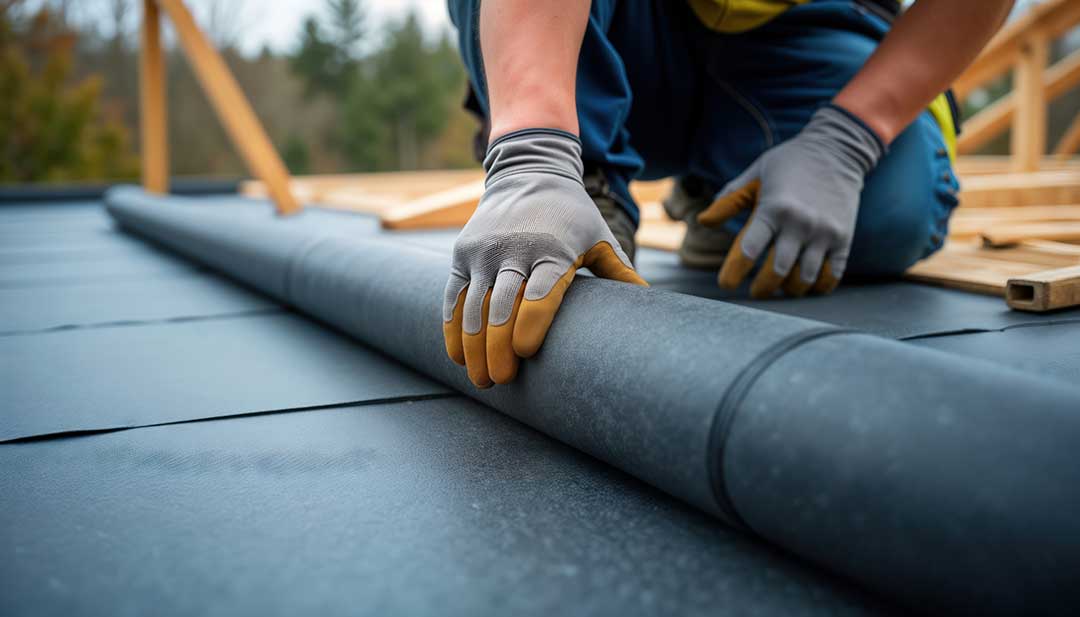
- Enhanced ice and water shield underlayments at eaves, valleys, and penetrations
- Increased attic insulation and ventilation to prevent ice damming
- Stronger roof sheathing and fastener patterns to withstand wind uplift and snow loads
These rules exist because roofs in the area face unique demands, and shortcuts can lead to problems not only for a single household, but for neighboring properties if issues like ice dams or roof collapses occur.
Are There Special Rules for Roof Replacement vs. Repair?
Replacing an entire roof generally requires meeting all current standards, including material upgrades and new underlayment, even if the original structure was built under earlier rules. Minor repairs may allow some flexibility, but any work that affects the underlying structure, ventilation, or load-bearing elements is likely subject to full compliance.
Residents sometimes overlook the need for permits or inspections when only a portion of the roof is being replaced, but code requirements can apply to both partial and full projects.
What Should Residents Know About Historic or Unique Homes?
In parts of Walworth where older homes or unique architectural details are prevalent, code compliance sometimes intersects with preservation guidelines. Some historic properties may have roof styles or materials no longer approved under current codes. Waivers or alternative compliance methods might be available, but homeowners should expect extra oversight and potential delays for roofing projects involving such properties.
How Can Households Learn About or Check Local Roofing Codes?
The city’s official website or code enforcement office is the primary source for up-to-date information about roofing codes and permit requirements. Residents can usually find:
- Permit applications and checklists
- Frequently asked questions
- Contact details for code officials who can answer project-specific questions
Staying informed helps avoid unnecessary surprises and ensures any roofing work is both durable and legal.
